Public health officials are big believers in harm reduction as a way of addressing addiction issues in Chatham-Kent and beyond.
And that likely has a solid portion of the population asking themselves if these officials are looking at the bigger picture.
For example, in this week’s article where Dr. Shanker Nesathurai defends the harm-reduction approach, nowhere does he mention the criminal fallout of drug addiction. And that might anger people, especially when the doctor draws corollaries between distributing clean needles to addicts and cyclists and bike helmets.
Yes, they both provide increased safety, but a cyclist not wearing a helmet is not likely to break into your shed or home. Well, unless they are drug addicted.
The reality is Nesathurai’s area of focus is public health. It has nothing to do with crime.
Just as Chatham-Kent Police Service Chief Kirk Early is not focused on health care when sending his officers out to keep the peace and track down criminals.
That said, it would be great if municipal services could work a little more to overlap their operations. At the very least, try to step back and look at the bigger picture.
Another reality is not everyone who lives in the homeless encampment is a drug addict.
Nor is every addict a criminal. Think about the functioning alcoholics in society. They drink to excess, albeit consuming a legal substance, and, if they don’t drive while impaired, are obeying the law.
Heck, If you can’t function without a coffee or two in the morning, especially if you get a headache without it, chances are you have a caffeine addiction.
Smoking, while no longer in vogue, is still legal. Think about the health-care dollars spent treating cancers that are caused by that addiction.
Overeating can be both a disease and an addiction. Health care is burdened by poor food choices and over-consumption of high-calorie items.
But when have you heard of someone breaking into their neighbour’s home to support their eating, smoking or caffeine habits?
Never.
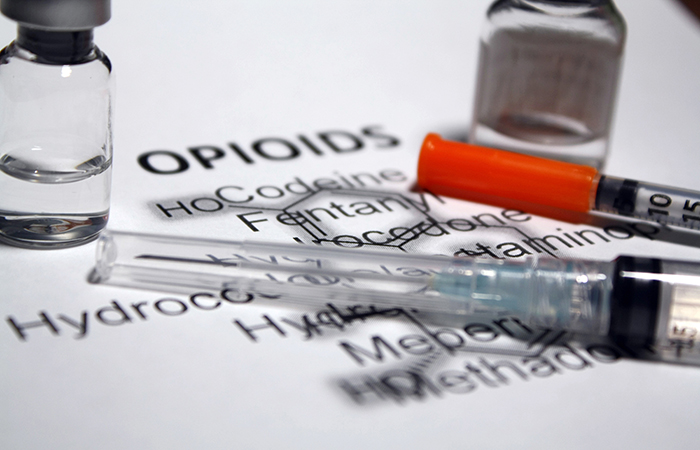
We understand providing clean needles helps limit the spread of HIV and hepatitis, which reduces the burden on our health care system. We also get how providing naloxone can reverse opioid overdoses, at least temporarily.
Can public health staff and supportive community groups whose volunteers hand out the needles not also distribute cessation pamphets? Let them know the treatment options in the region?
We have to start somewhere.