
Twenty-five years ago, the world changed. On Sept. 11, 2001, terrorists hijacked airliners and flew them into two World Trade Centre skyscrapers and the Pentagon.
The attack killed nearly 3,000 people and resulted in the temporary closure of all U.S. airspace. Planes destined to land there had to be diverted. Gander, Nfld. accommodated 7,000 people.
Neighbours help neighbours in a crisis.
Canada was quick to send troops to Afghanistan to help the U.S. military chase down the network that orchestrated the attacks. Nearly 160 of our troops did not come home from that conflict.
Neighbours help neighbours in a crisis.
Fast forward to today. We are now in a sort of a neighbourhood feud with the U.S. It’s led to some heated exchanges and tap-dancing trade negotiations.
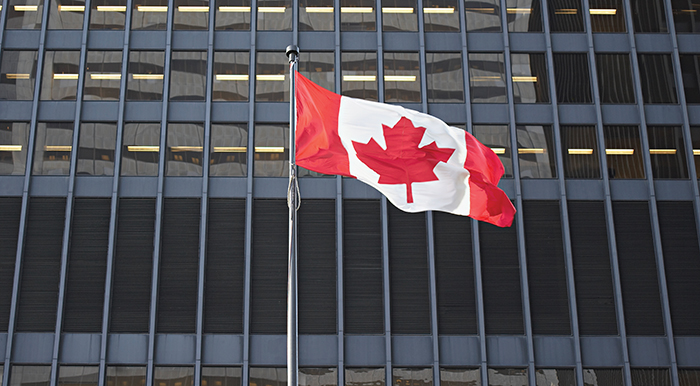
We are not the 51st state and never will be.
Tariffs only serve to deliver pain on both sides – to the importer (customer) and exporter (manufacturer).
For well over a century, the U.S. and Canada worked to have as integrated border as possible, especially for trade. Just-in-time delivery spanned both nations and benefitted manufacturing on both sides.
Things are much different these days, all due to one man, U.S. President Donald Trump. He ostensibly wants to pull manufacturing back into the U.S., an economic Fortress America, so to speak. But such a fortress is dangerously isolating.
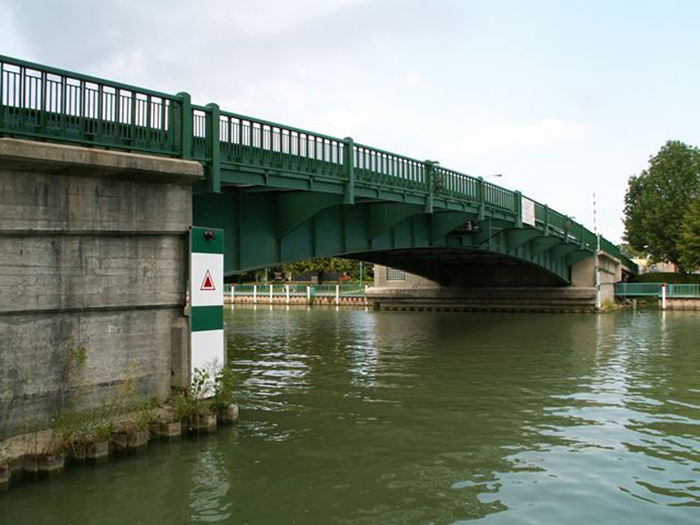
Canadians irate over the tariffs the U.S. has placed upon us want to see even tougher stances from the federal government. Some floated the idea of closing the Welland Canal to U.S. shipping. Others suggested applying tariffs to oil, natural gas, potash and electricity the U.S. imports from Canada.
Strong moves, but economists believe they’d be counterproductive.
For starters, the St. Lawrence Seaway is under joint Canadian-American oversight, with St. Lawrence Seaway Management Corporation handling the Canadian element and the Great Lakes St. Lawrence Seaway Development Corporation overseeing operations from the U.S.
Furthermore, as highlighted in a recent CBC report, several key locks east of Lake Ontario are controlled by the U.S. If we close the Welland Canal, they could very well shut those locks to Canadian shipping.
It’s a lose-lose proposition.
As for oil, natural gas and electricity, plopping down tariffs would cause some immediate pain south of the border for sure. But there could be lasting fallout.
At least half of the populace in the U.S. are not fans of the tariffs. More are likely quiet opponents to them.
For Canada to tariff energy goods, that could turn some of them away from being sympathetic to our nation. Not a good move right now, especially with the mid-terms coming up in the U.S.
Further, the move could force the U.S. to do exactly what Canada is doing due to the tariffs –searching for other trading partners. A long-term drop in exports to the U.S. on energy commodities would most certainly lead to job losses here.
Finally, it could be a move the Trump administration wants us to take and would thus play into their hands.
It’s a tangled web and a dangerous dance, these tariffs. Canada’s use of counter tariffs must be laser focused, designed to impact Americans in key states and industries. Going too far would only serve to shoot ourselves in the collective foot.
Elbows up. But let’s not crosscheck the U.S. in the face. We are, after all, neighbours, and will likely buddy up once again in two years, or less.