
Forty-nine jobs.
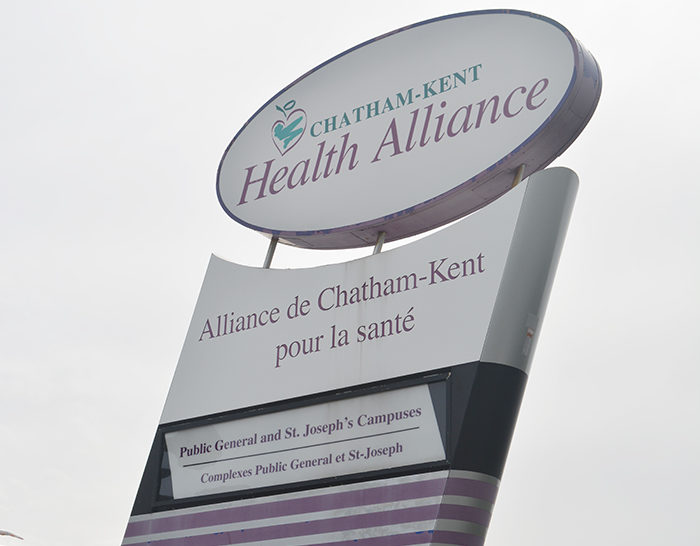
That’s how many positions the Chatham-Kent Health Alliance (CKHA) is carving out of its pool of staff in an effort to cut an estimated $4.2-million deficit.
CKHA brass believe the cuts, which they said won’t involve any direct job losses, will eventually save the hospital about $3.5 million a year.
However, since attrition is involved, it will take some time to reduce the 49 spots.
How does a hospital that has seen massive changes in how it operates find itself in such a deficit position? Well, it actually goes back to 1965 when Prime Minister Lester Pearson instituted universal health care in the country. Ever since, from extreme control of the number of students entering med schools each year, to funding constraints placed upon hospitals, provincial governments have looked to limit spending on health care.
More recently, we can shine a light on Premier Doug Ford himself. He’s the guy who in 2018 promised to end hallway health care. Yeah, that has not happened.
Ford defends his position today by stating the population has grown since he made that statement, which has compounded the problem.
We’re also an aging population, and as we get collectively older, our health-care needs rise. And that means more visits to our primary care givers – for those of us who have them – and trips to the hospital for procedures and tests.
More stress on the system that is underfunded, despite being the province’s largest fiscal expense, at an estimated $91.5 billion in the fiscal year that came to a close at the end of March. Despite that figure, Ontario has one of the lowest per-person health funding rates of any province in the nation.
With that in mind, across Ontario, CKHA’s deficit is part of a much bigger issue, as hospitals in the province collectively say they face a funding deficit of about $1 billion annually.
Over the past seven or so years, the province has increased health-care spending by about $27 billion. Still, it’s not enough.
Unless something changes, hospitals will fall further behind in terms of trying to stay out of the red in terms of spending, and the door is pushed open further for private health-care initiatives to take hold.