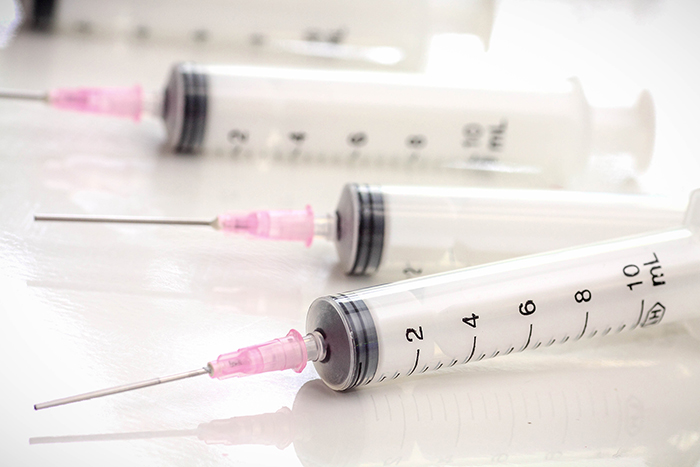
Chatham-Kent council will receive double the updates from CK Public Health on harm-reduction efforts.
That’s the word from the board of health following its March 23 meeting.
This evolved out of discussion at council in February over delivery of harm-reduction materials to people living at Pathways on Park, an assisted-living, tiny-cabin project run by the municipality.
Some councillors wanted the delivery of such materials to Pathways – which is supposed to be a drug-free facility – to cease.
However, Dr. Shankar Nesathurai, Chatham-Kent’s medical officer of health, argued that would violate an individual’s rights to access harm-reduction items, as the average citizen can reach out to have such materials delivered right to their door.
What will take place is a doubling of updates for council on the harm-reduction effort in Chatham-Kent, which have taken place on an annual basis. And the bi-annual updates will contain more details, public health officials said.
Board members asked about safe disposal of harm-reduction materials. Carina Caryn, director of public health said there are bins “located throughout the community” for needles and other biohazardous materials to be deposited in.
“Every community organization that hands out supplies, there’s a conversation about safe disposal,” she said. “And they are handed an individual safe disposal package.”
Caryn added public health has not received any new complaints about the discovery of discarded needles – “at least not that made it back to public health.”
She added that public health staff track materials when they are handed out, but don’t keep track of returned harm-reduction items.
“We don’t get down to the details at that level. We don’t know their names. There is some degree of anonymity,” she explained.
Board of health member Melissa Harrigan, a municipal councillor, said it would be a challenge to accurately measure returns, given places such as pharmacies will take sharps containers from people for safe disposal as well.
Nesathurai said quantifying sharps and other harm-reductions supply returns would be nice, but it’s not the focal point for public health.
“It would be nice to know how many supplies we are getting back, but the real goal is to try to mitigate the risks (of drug use),” he said. “Strategically, I wouldn’t want to do anything that would impede people getting harm-reduction tools.”
Coun. Lauren Anderson, who sits on the board of health, agreed, adding having access to harm-reduction materials also gives people more than just the supplies.
“Something I definitely see as a nurse and one of the greatest tings I see happen with harm reduction is that by giving them access, it provides them with access to services provided too,” she said. “It’s not just that they’re coming in to be safe in use, but they now have contact with a person who is going to be there for them, to help provide them alleyways to live a better life.”