
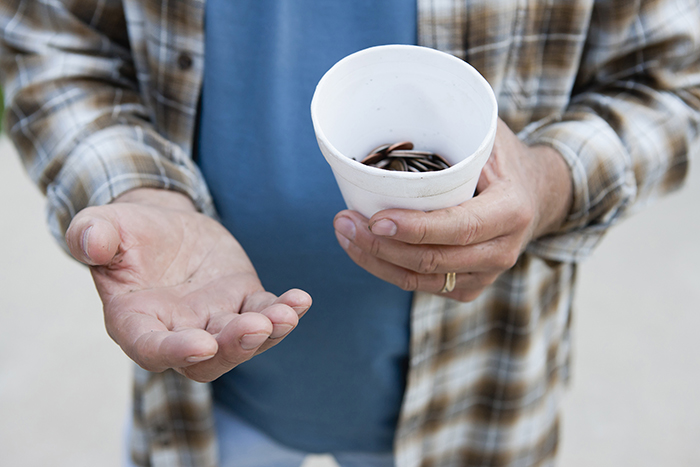
“Sometimes people forget that the people living in these encampments are human beings. They’re somebody’s brother, somebody’s sister, son, daughter, mother, father.”
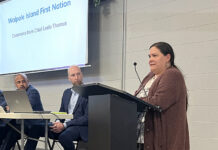
Jodi Guilmette, general manager of health and human services for the municipality, made that comment during a meeting between Chatham-Kent officials and the media last week.
She’s 100-per-cent correct.
What is perhaps the most tragic reality at play is the folks who occupy the encampment at times forget that they are people.
However, in First World countries, human beings are taught where to throw their garbage, that defecating or urinating in public is frowned upon, and that they should clean up after themselves.
Perhaps it is due to a mental illness. Or extreme drug use. Or being told by other people in society they are worthless so often that they actually started believing it themselves.
There is a plethora of reasons why we have a homeless issue, and we’re not talking exclusively about Chatham-Kent.
Lack of affordable housing, mental health problems and addiction are the big three reasons people are homeless.
The pandemic led to couch surfers across the country losing a place to crash. And during the pandemic, housing prices spiralled upwards, forcing more people out onto the streets.
Gone are the days of rooming houses – places where a person rented a room, but shared a bathroom and kitchen with other people. Such affordable housing vanished decades ago, but it did serve a purpose for people of all age groups.
Institutions such as the Southwest Regional Centre housed people with developmental disabilities. It closed in 2008, along with its sister institutions across the province. Sadly, there were numerous allegations of abuse made at the centre.
And we are left with people out in the street. When the tiny cabins open, some will move there, but not everyone at the encampment will choose or be able to move there.
What are we left to do? Affordable housing is woefully unaddressed at all levels of government. Give people a roof over their heads; help them rebuild their lives.
Some will, some will not. But those who do will become contributing members of society once again.
After all, they are people too.