Kim Cooper’s Food for Thought
It’s no secret we live in very interesting times. The ever-changing economy, tariffs, world conflicts, rising costs of everything, immigration issues, and so much more are having impacts on our daily lives.
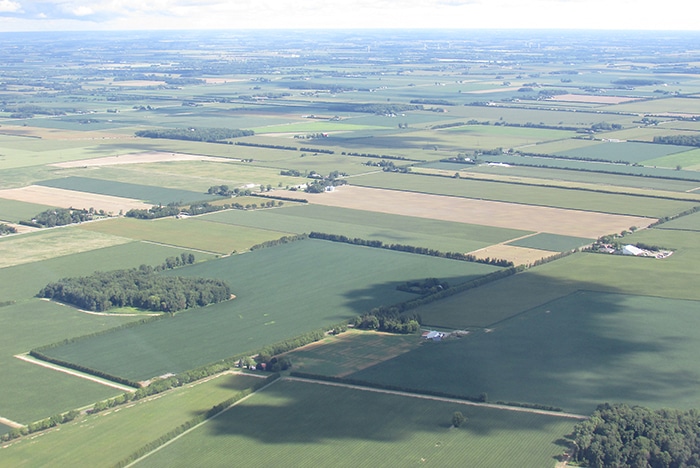
For our farmers, changing conditions have always been part of their makeup. Every year, the weather is different from the year before. Every year, crop prices fluctuate, which means farmers have to be very adept in making changes to their farm management business.
This is much easier said than done, as planting decisions, including the purchase of seeds and fertilizers, are done well ahead of planting season.
For example, look at our canola farmers in Western Canada. They purchased their seed and fertilizer last year. They didn’t know China would be imposing 100% retaliatory tariffs on canola oil and meal in March of this year. This was in response to Canada’s duties on Chinese electric vehicles, aluminum and steel.
Canada sends about $5 billion in canola products to China annually.
Canola meal is a high-protein animal feed, produced after the seeds have been crushed at processing plants. About one-fifth of Canada’s canola exports to China last year was meal, valued at more than $900 million.
During my years with the soybean sector, we were faced with shrinking markets and rising competition. Thankfully, many forward-thinking people before my time decided we should develop a niche market for selling Canadian soybeans, that being food-grade soybeans. Most of the world’s soybean crop is crushed to produce soybean oil and soybean meal, similar to what happens with canola.
Food-grade soybeans are used for the production of tofu, soymilk, miso, tempe, and many other soy-food products.
Canadian soybean breeders worked on developing certain traits in these soybeans our buyers were desiring. Our largest export market for food-grade soybeans for many years was Japan. The U.S. was our main competitor, but at that time, their marketing strategy was to sell Japan what they had, whereas Canada took time to find out what these Japanese buyers, and buyers in other countries, were looking for in terms of soybean traits.
One of my roles was to explore the potential for food-grade soybeans in other countries, as well as visiting with our existing buyers. For more than 20 years, I traveled to over 35 countries, to help maintain and look for new markets for our food-grade soybeans.
Our various Canadian agriculture sectors do an extremely good job in developing new food products and new buyers. However, this takes time and money and does not happen in a few short months.
To simply say we will not ship food products to the U.S. is unrealistic, as food products cannot just sit around and wait for new buyers.
Diversification of products and end-use buyers in different countries continues to be a priority of all our agriculture partners in Canada.
We have productive, efficient and safe food sectors in our country. Our governments, and we as consumers, need to ensure our agriculture sector will be around for many more years.
Just some food for thought.
• Kim Cooper has been involved in the agribusiness sector for more than 45 years. He can be reached at [email protected]